Ecommerce
Ecommerce shipping: 5 mistakes to avoid
The most common shipping mistakes cost online stores dearly. Here’s how to avoid them.
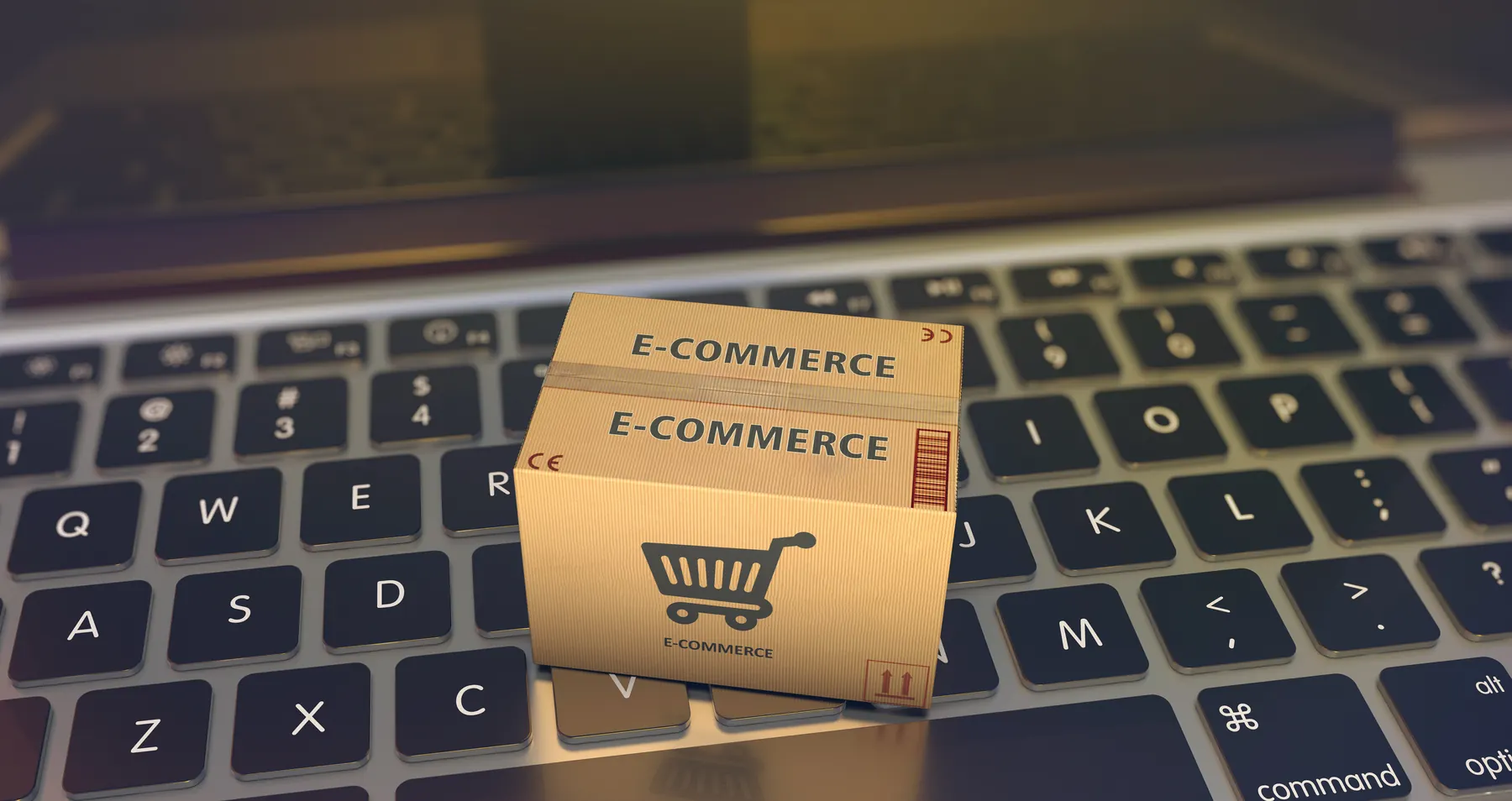
For an online store, shipping directly affects margin and customer satisfaction. These five mistakes are the most costly — and the easiest to fix.
What’s the most common mistake?
Using a single carrier out of habit. Without comparison, you consistently overpay on a portion of shipments.
The 5 mistakes to avoid
- Not comparing rates before each shipment.
- Underestimating dimensional weight and paying adjustments.
- Offering free shipping without calculating its true cost.
- Neglecting tracking, which multiplies customer-service requests.
- Ignoring returns in your profitability calculations.
How should I set my shipping fees?
Your shipping fees should reflect the real cost without scaring off customers. Three approaches work well depending on your business model.
- Real-time rate: the customer pays the exact cost calculated at checkout.
- Flat rate: a simple fixed amount, calibrated on your average cost.
- Conditional free shipping: offered above a profitable order threshold.
Is free shipping a good idea?
It raises conversion rates, but “free” doesn’t mean costless. Build it into your prices or set a minimum threshold. What matters is knowing your average shipping cost so you don’t erode your margin.
How do I reduce returns and lost parcels?
Accurate product descriptions, careful packaging and proactive tracking reduce returns and claims. Keep customers informed at every step: most customer-service requests simply ask where the parcel is.
A single platform that compares, labels and tracks your parcels eliminates most of these mistakes automatically.
Want to cut your shipping costs? Compare more than a dozen carriers with LAR Shipping and save up to 70% on your shipments.